

16
Feb
Single Tooth Implants vs. Bridges: Making the Right Choice in Oak Lawn
Losing a single tooth affects more than your smile; it impacts how you eat, speak, and feel about your appearance. When you’re deciding between a dental implant and a bridge to replace that missing tooth, you’re making a choice that will influence your oral health for years to come, and understanding the differences between these two restoration options helps you make the decision that’s right for your unique situation.
At EcoFriendly Dentistry Powered by Sonrisa, we help patients navigate tooth replacement decisions with personalized care and advanced technology. Our experienced team provides both dental implants and bridges using innovative techniques, including the cost-effective all-on-X implant system for comprehensive restorations.
Understanding Dental Implants
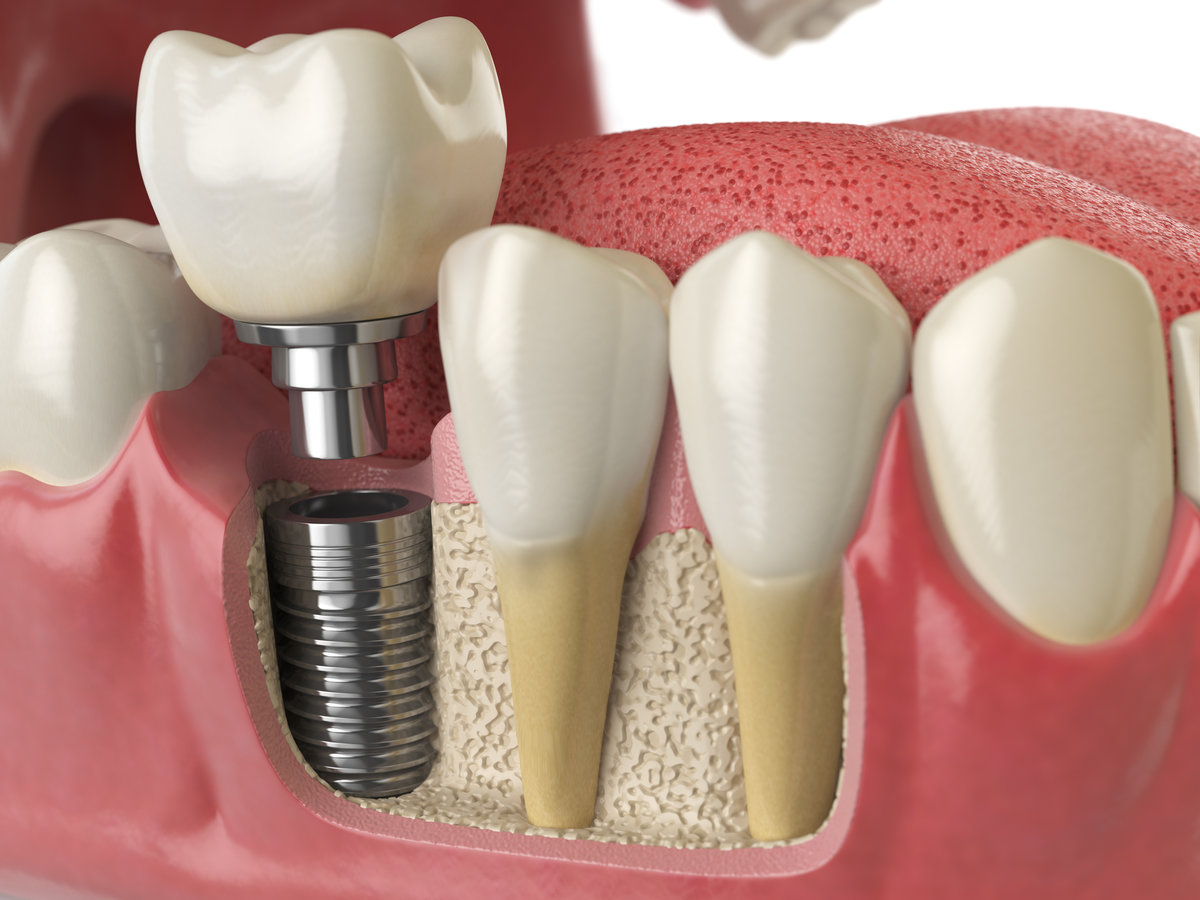
A dental implant is a titanium post surgically placed into your jawbone to serve as an artificial tooth root. Once the implant integrates with your bone through a process called osseointegration, a custom crown is attached to complete your restoration. This creates a permanent, stable replacement that functions like your natural tooth.
The implant process typically takes several months from start to finish, allowing time for proper healing and bone integration. While this timeline requires patience, the result is a durable solution designed to last decades with proper care.
How Dental Bridges Work
A traditional bridge replaces a missing tooth by anchoring to the teeth on either side of the gap. Your dentist prepares these adjacent teeth by removing some enamel, then places dental crowns over them to support the replacement tooth (called a pontic) in between. The entire restoration is cemented into place as one connected piece.
Bridges offer a faster treatment timeline than implants since no surgical healing period is required. You can typically receive your bridge within a few weeks, making it an appealing option if you need a quicker solution.
Comparing Longevity and Durability
Dental implants offer exceptional longevity, with success rates exceeding 95% over 10 years according to research from the American Academy of Implant Dentistry. Many implants last 25 years or longer with proper maintenance, and because the titanium post integrates with your jawbone, it provides stability comparable to natural tooth roots. The crown portion may need replacement after 10-15 years due to normal wear, but the implant itself remains permanently anchored.
Bridges typically last 10-15 years before requiring replacement. The lifespan depends heavily on the health of the supporting teeth and how well you maintain them, but even with excellent care, bridges eventually need to be remade as the supporting teeth experience additional stress from bearing the load of the missing tooth.
Impact on Adjacent Teeth
One of the most significant differences between implants and bridges lies in how they affect neighboring teeth. Dental implants stand independently without relying on adjacent teeth for support, which means your healthy teeth remain untouched and unaltered throughout the treatment process.
Bridges require reshaping the teeth on both sides of the gap to accommodate the crowns that hold the restoration in place. This permanent alteration removes healthy tooth structure that can never be replaced, and those supporting teeth become more vulnerable to decay and damage over time since they must bear additional force when you chew.
Bone Preservation and Oral Health
Your jawbone needs stimulation from tooth roots to maintain its density and shape. When you lose a tooth, the bone in that area begins to deteriorate—a process called resorption. Dental implants prevent bone loss by providing the same stimulation as natural tooth roots, helping preserve your facial structure and preventing the sunken appearance that can develop after tooth loss.
Bridges do not address bone loss since they sit above the gumline without extending into the jawbone. The bone beneath a bridge continues to deteriorate over time, which can eventually affect the fit of the restoration and the stability of adjacent teeth.
Maintenance and Long-Term Care
Caring for a dental implant mirrors caring for your natural teeth—brush twice daily, floss carefully around the crown, and maintain regular dental checkups. The implant itself cannot develop cavities, though you still need to prevent gum disease around the restoration through consistent oral hygiene.
Bridges require special attention to clean beneath the pontic, where food particles and bacteria can accumulate. You’ll need to use floss threaders or special interdental brushes to clean under the bridge daily, and the supporting teeth remain susceptible to decay if not properly maintained.
Cost Considerations for Oak Lawn Patients
The upfront cost of a dental implant typically exceeds that of a bridge, with implants ranging from $3,000-$6,000 depending on your specific needs. However, when you calculate the long-term value, implants often prove more economical since they rarely need replacement and don’t affect surrounding teeth.
Bridges may cost less initially at $2,000-$5,000, but you’ll likely need to replace the restoration at least once over your lifetime, and the supporting teeth may eventually require additional dental work. Many Oak Lawn patients find that PPO insurance provides partial coverage for both options, and we offer financing solutions to make quality tooth replacement accessible.
Choose EcoFriendly Dentistry for Your Tooth Replacement Needs
Making the right choice between a single tooth implant and a bridge depends on your individual oral health, budget, timeline, and long-term goals. At EcoFriendly Dentistry, our team brings extensive experience with both restoration options and uses advanced technology to ensure optimal results for every patient. Our PPO-focused practice serves Oak Lawn families with comprehensive dental care, from single tooth replacements to complex full-arch restorations using the innovative all-on-X implant system.
Whether you choose an implant or a bridge, you’ll receive personalized treatment designed to restore your smile’s function and appearance for years to come. Contact our office to schedule a consultation and discover which tooth replacement option best fits your needs.