

16
Feb
Recovery Timeline for All-on-X Dental Implants: A Week-by-Week Guide
Recovering from All-on-X dental implants can feel uncertain, especially when you’re not sure what to expect during each phase of healing. While the promise of a restored smile is exciting, understanding the recovery process helps you prepare mentally and physically for the journey ahead. Knowing what milestones to anticipate at each stage can reduce anxiety and help you recognize when your healing is progressing normally.
At EcoFriendly Dentistry Powered by Sonrisa, we guide patients through every step of their All-on-X recovery with comprehensive post-operative care and ongoing support. Our team in Oak Lawn, IL, provides detailed instructions tailored to your specific needs, ensuring you have the resources and knowledge necessary for optimal healing. With our commitment to patient education and accessible communication, we help you navigate your recovery with confidence through our dental implants in Oak Lawn, IL.
Immediate Post-Procedure Period: Days 1-3
The first 72 hours following your All-on-X procedure are the most critical for establishing a strong foundation for healing. During this time, you’ll experience swelling, some discomfort, and possibly minor bleeding at the implant sites. These symptoms are normal responses to the surgical procedure and typically peak around day two before gradually subsiding. Your body is already beginning the complex process of integrating the implants with your jawbone, though you won’t feel this happening.
Rest is paramount during these initial days. Plan to take at least three days off from work and avoid strenuous activities that could increase blood pressure and potentially disrupt the surgical sites. Keep your head elevated even while sleeping, using extra pillows to minimize swelling. Cold compresses applied externally for 20-minute intervals can provide significant relief and reduce inflammation. Your dental team will prescribe pain medication and possibly antibiotics to manage discomfort and prevent infection. For patients who experience anxiety about the procedure, sedation dentistry options may have been utilized during the surgery to ensure comfort.
Early Recovery Phase: Week 1
By the end of your first week, you’ll notice considerable improvement in how you feel. Swelling should decrease substantially, and any bruising that develops will begin to fade. You’ll still need to maintain a soft food diet, focusing on nutrient-rich options like smoothies, yogurt, scrambled eggs, and mashed vegetables. The temporary prosthetic attached to your implants allows you to eat soft foods immediately, but you must avoid anything that requires significant chewing force.
Oral hygiene becomes increasingly important during this phase, though you’ll need to be gentle around the surgical sites. Your dentist will provide specific instructions for cleaning around your new implants, which typically involves rinsing with a prescribed antimicrobial mouthwash and using a soft-bristle toothbrush on areas away from the surgical sites. Proper oral hygiene during the early healing period significantly impacts long-term implant success rates. This careful attention to cleanliness helps prevent complications and supports the same healthy foundation that benefits patients receiving dental crowns or other restorative treatments.
Adaptation Period: Weeks 2-4
The second through fourth weeks mark a transition period where your body continues healing while you adapt to your new dental implants. Most patients report feeling dramatically better by week two, with minimal discomfort and the ability to gradually expand their diet. You can begin incorporating slightly firmer foods, though you should still avoid anything hard, crunchy, or sticky. Chewing should remain gentle and deliberate as the implants continue integrating with your bone.
During this time, you’ll likely have a follow-up appointment where your dental team assesses your healing progress and makes any necessary adjustments to your temporary prosthetic. This is an important opportunity to discuss any concerns and receive guidance on advancing your diet and oral care routine.
Many patients also notice changes in their speech during this period as they adjust to the feel of their new teeth. Practice speaking, reading aloud, and having conversations to accelerate this adaptation process. These regular check-ins mirror the attentive care provided during routine cleaning and exams.
Osseointegration Phase: Months 2-6
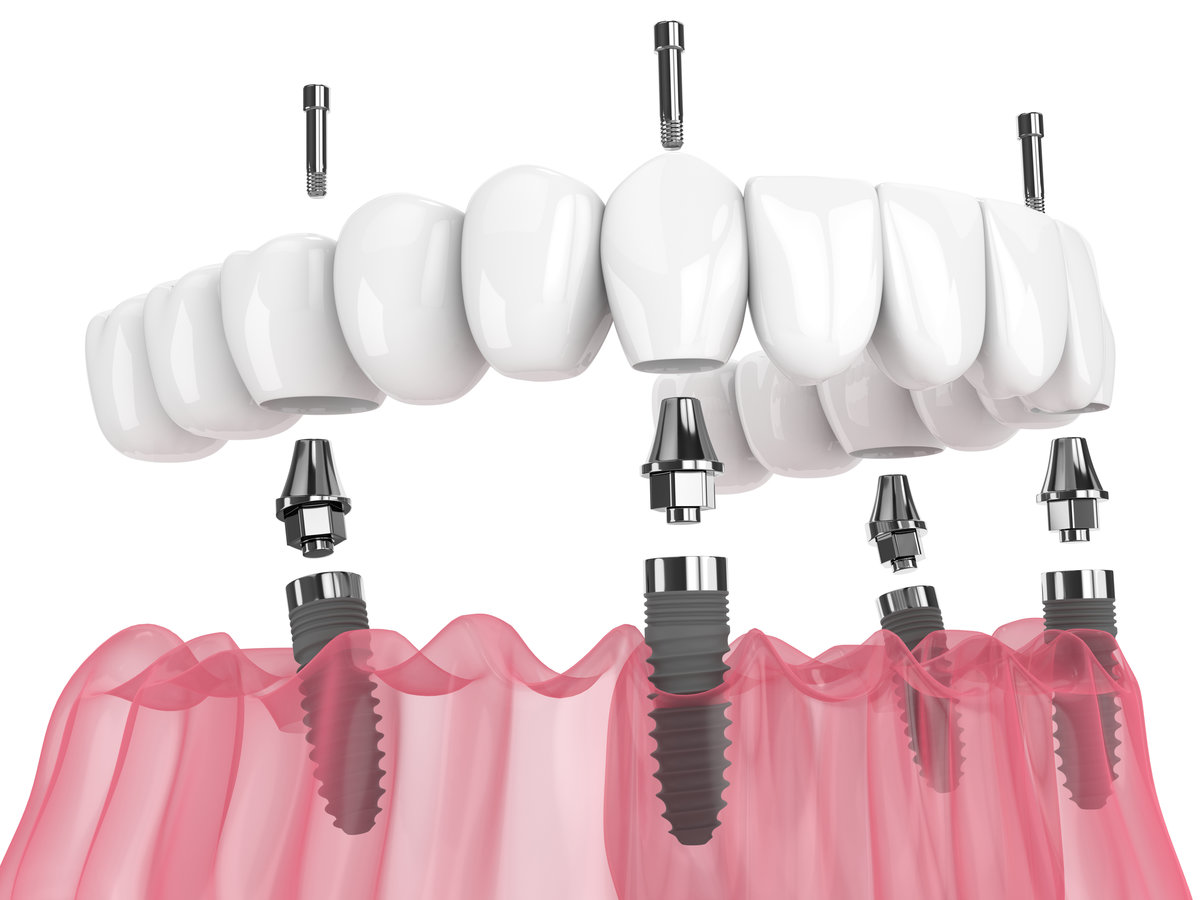
While you’ll feel mostly recovered after the first month, the most crucial healing process continues beneath the surface. Osseointegration—the process where your jawbone grows around and fuses with the titanium implants—takes several months to complete. During this extended period, you’ll gradually return to normal activities and expand your diet, though you should still exercise caution with extremely hard or tough foods until your dentist confirms complete integration.
Most patients receive their permanent prosthetic between three and six months after their initial surgery. The timing depends on individual healing rates and bone quality. Throughout this phase, maintaining excellent oral hygiene and attending all scheduled follow-up appointments ensures optimal results. Your commitment to proper care during these months directly influences the long-term success of your dental implant treatment. Unlike dentures and partials that sit on the gums, implants require this integration period to provide the stable, permanent solution patients seek.
Long-Term Success and Maintenance
Once your implants have fully integrated and your permanent prosthetic is in place, you can enjoy the full benefits of your restored smile. With proper care, All-on-X implants can last 20 years or longer. Maintaining your investment requires daily brushing and flossing adapted to your implant-supported prosthetic, along with regular professional cleanings and examinations. Your dental team will demonstrate specialized cleaning techniques designed specifically for implant maintenance.
Watch for any unusual symptoms like persistent pain, loosening of the prosthetic, or changes in your bite, and report these to your dentist immediately. Early intervention can prevent minor issues from becoming major problems. Many patients find that their experience extends beyond just improved appearance—they gain renewed confidence, better nutrition from improved chewing ability, and enhanced overall quality of life. The transformation often inspires patients to explore additional cosmetic options like teeth whitening or veneers to further enhance their smile.
Navigate Your Recovery with Expert Support at EcoFriendly Dentistry
Understanding what to expect during each stage of All-on-X recovery helps you approach the process with realistic expectations and confidence. While individual experiences vary based on factors like overall health, bone quality, and adherence to post-operative instructions, most patients find the recovery process manageable and well worth the transformative results. The journey from procedure to fully functional, beautiful smile follows a predictable pattern that your dental team will help you navigate every step of the way.
EcoFriendly Dentistry provides comprehensive support throughout your All-on-X journey, from initial consultation through long-term maintenance. Our experienced team in Oak Lawn, IL, combines advanced implant techniques with personalized care to ensure optimal outcomes for every patient. We’re committed to making your recovery as comfortable as possible while setting you up for decades of successful implant function. Contact our office to schedule a consultation and learn how All-on-X dental implants can transform your smile and quality of life.